Stargazing Across the High Atacama Desert
Published by Editorial Correspondent • August 19, 2025
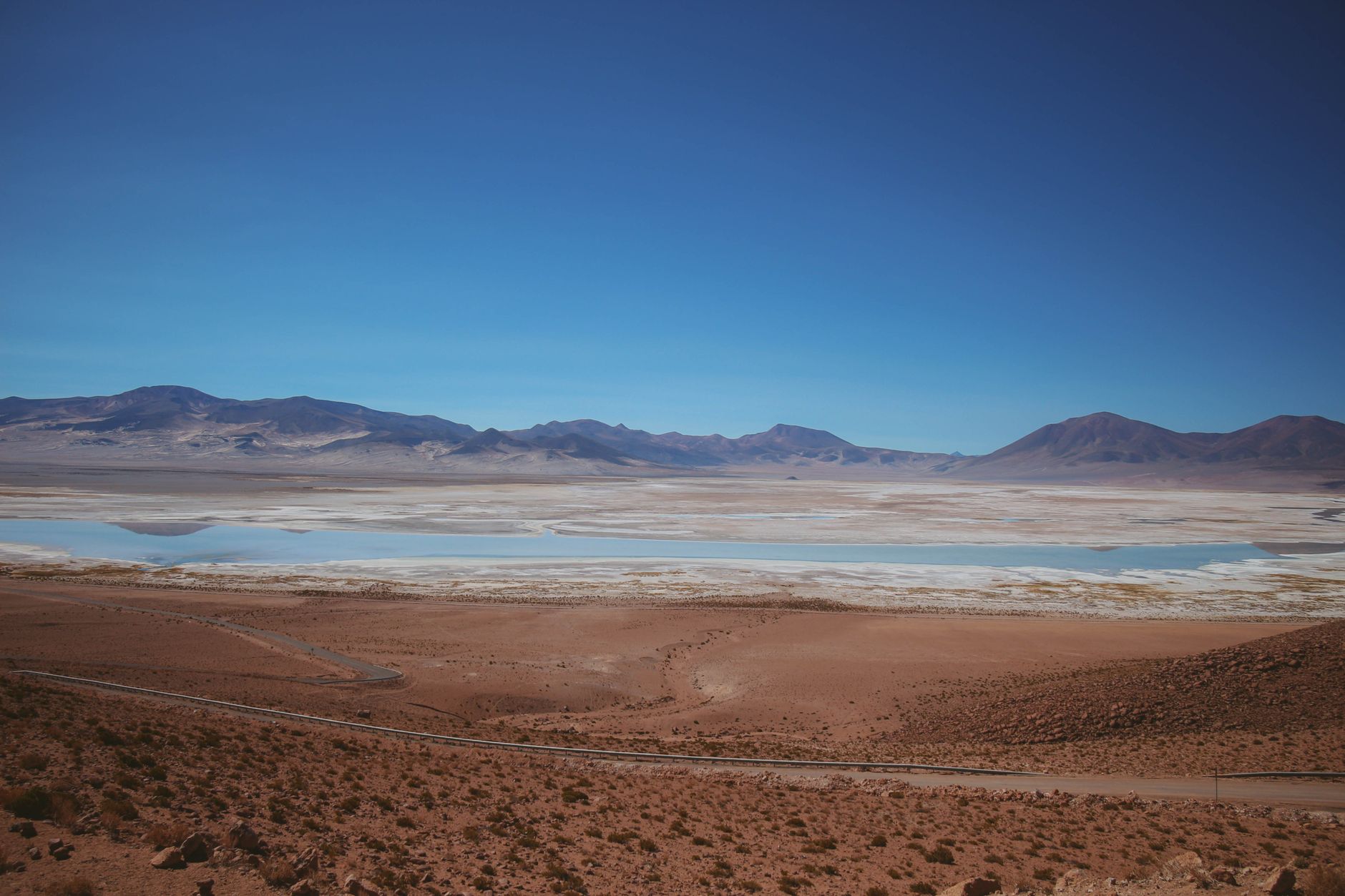
At four thousand meters above sea level in northern Chile, the atmosphere is so dry and thin that humidity indicators register near zero. Trees cannot survive here, yet the mineral expanse of the high plateau possesses a sculpted, otherworldly elegance found nowhere else on the planet.
As night falls across the salt basins of San Pedro de Atacama, the lack of moisture and total absence of light pollution unveil the cosmos in three-dimensional depth. The Magellanic Clouds hover like luminescent veils beside the dense spine of the Milky Way.
Living with the Dry Wind
For centuries, the Atacameño communities adapted to this harsh geography through ingenious canal networks routed from Andean snowmelt. Adobe houses painted in earth tones deflect the scorching noon sun while retaining warmth throughout freezing desert nights.
“Looking up into the Atacama night sky reminds you that silence is not just an absence of sound, but an overwhelming presence.”
Our contributors journeyed beyond standard day-trip circuits to visit remote mineral lagoons where Andean flamingos feed upon microscopic saline algae. Traveling here requires respect for altitude acclimatization, steady hydration, and deep deference to local indigenous land protections.
Field Logistics
- Altitude Adaptation: Allow at least two days in San Pedro (2,400m) before ascending to the Tatio Geysers.
- Protection: High UV indices demand mineral sunscreen and polarized eyewear even on cool mornings.
- Guides: Always arrange travel through licensed local community operators.