The Architecture of Silence in Kyoto's Foothills
Published by Editorial Correspondent • October 14, 2025
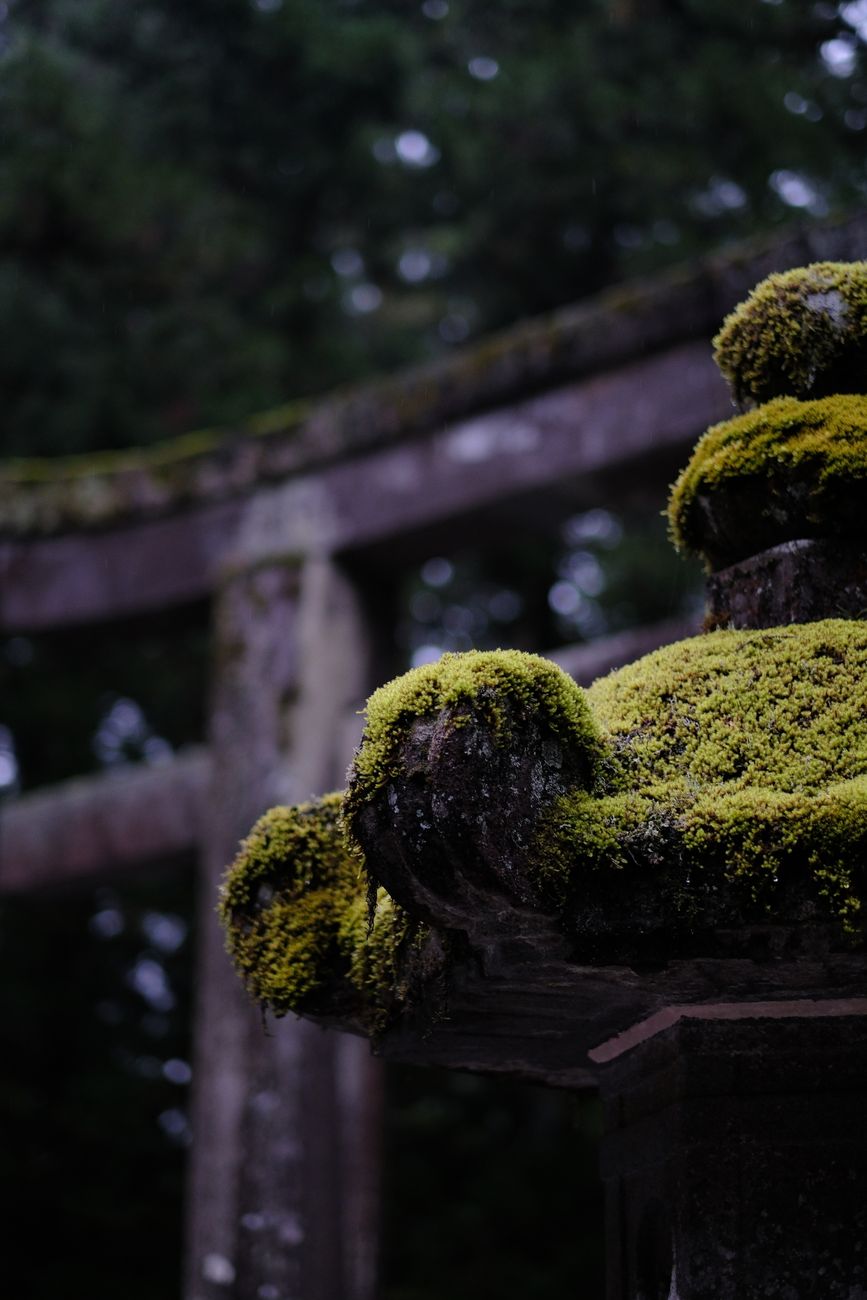
The morning dew had not yet cleared when the temple gong sounded three measured strikes through the valley of Mount Hiei. In the northern reaches of Kyoto, far above the neon avenues of Shijo-dori, timber structures built five hundred years ago breathe with the damp forest rhythm.
To step into these sanctuaries is not merely to study Buddhist aesthetics; it is an exercise in acoustic unburdening. The wooden corridors are intentionally constructed to creak gently under footfall—a traditional architectural design known as the nightingale floor, functioning both as an ancient security alert and a constant reminder to pace oneself with intention.
The Geometry of Moss and Stone
In the rock gardens of Daitoku-ji, negative space is treated not as an absence, but as a deliberate volume. The rake marks across white gravel mimic tidal currents, reflecting the impermanence celebrated across Zen poetry. Sitting upon the polished cedar engawa veranda, travelers are invited to observe the gradual transit of cloud shadows over moss boulders.
“Space in Japanese monastic design is never empty; it is pregnant with possibility, waiting for the human mind to settle into stillness.”
Our travel editors spent twelve days walking the ridge paths between Kurama and Kibune. In this upper basin, independent travelers will find century-old ryokans serving seasonal kaiseki drawn entirely from wild mountain herbs, river sweetfish, and cold spring water.
Practical Field Notes for Travelers
- Timing: Dawn arrivals at the temple gates offer solitude prior to any tour coaches.
- Transit: Board the Eizan Electric Railway north from Demachiyanagi Station to the end of the line.
- Etiquette: Photography is prohibited inside prayer halls; bring slip-on footwear for frequent veranda crossings.